How to Compare Online Deals Without Overpaying
A practical framework for checking the real price, seller quality, return terms and long-term value before buying online.
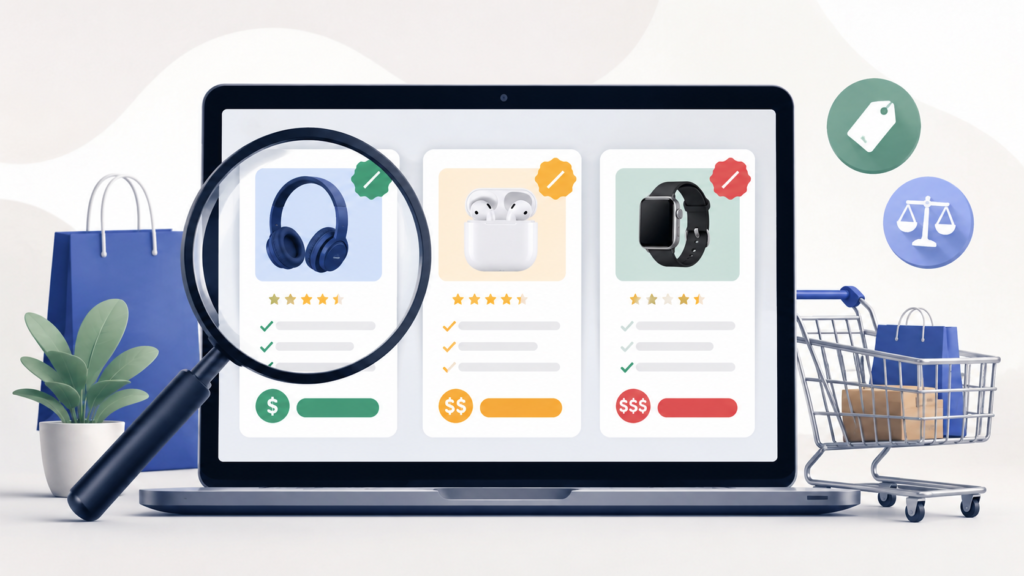
Online discounts can look attractive at first glance, but the lowest advertised price is not always the best value. A smarter comparison looks at the total cost, the seller, the return policy, and whether the product or service actually fits your needs. The goal is not to find the biggest discount badge. It is to make a purchase you are still comfortable with after the excitement of the promotion has passed.
Start with the real price, not the headline discount
A large percentage-off badge can be persuasive, but it does not tell you whether the current price is genuinely competitive. Compare the final checkout price across several reputable sellers and include shipping, taxes, required accessories, subscription fees, and any conditions attached to the promotion.
If a coupon only works after you spend more than you planned, it may not be saving you money at all. It also helps to write down your target budget before browsing. That simple step makes it easier to judge a deal against your own needs instead of against a retailer’s suggested retail price.
Check the seller before the product
A strong deal from an unfamiliar store deserves extra verification. Look for clear contact information, a readable refund policy, secure checkout, realistic delivery estimates, and independent customer feedback. Be cautious when a site creates extreme urgency, hides important terms until checkout, or offers a price that is dramatically below the rest of the market without a clear reason.
Marketplace purchases need the same attention. The marketplace itself may be well known while the individual seller is new, overseas, or subject to different return conditions.
Compare value over the full ownership period
For electronics, appliances, software, and memberships, the purchase price is only part of the cost. Replacement parts, batteries, cloud storage, premium features, maintenance, and renewal charges can make a cheaper option more expensive over time.
A practical comparison asks three questions: What will I pay today? What am I likely to pay during the next year? What happens if I want to cancel, return, repair, or replace it?
Use a short cooling-off checklist
Before paying, step away for a few minutes and confirm that the item meets a real need, fits the intended space or device, has acceptable return terms, and is being purchased from a seller you trust. If the discount expires before you can answer those questions, missing the promotion may be cheaper than making a rushed purchase.
Final takeaway
The best online deal is not necessarily the one with the biggest red badge. It is the option that delivers the right product, from a reliable seller, at a fair total cost and with terms you understand.